Healthcare organizations face an evolving threat landscape that static passwords and one-time logins can no longer protect against. Zero Trust and passwordless authentication give hospitals and health systems a way to secure shared clinical workstations and remote access without slowing down patient care. Proximia replaces passwords with live biometrics and persistent proximity, keeping sessions protected for as long as they last -- not just at the moment of login.
- Healthcare was the most-targeted U.S. critical infrastructure sector for cyber events in 2025, with 460 ransomware attacks and 182 data breaches reported (FBI Internet Crime Complaint Center).
- Nearly 60% of all breaches involve a human element such as stolen credentials or error, according to the Verizon 2025 Data Breach Investigations Report.
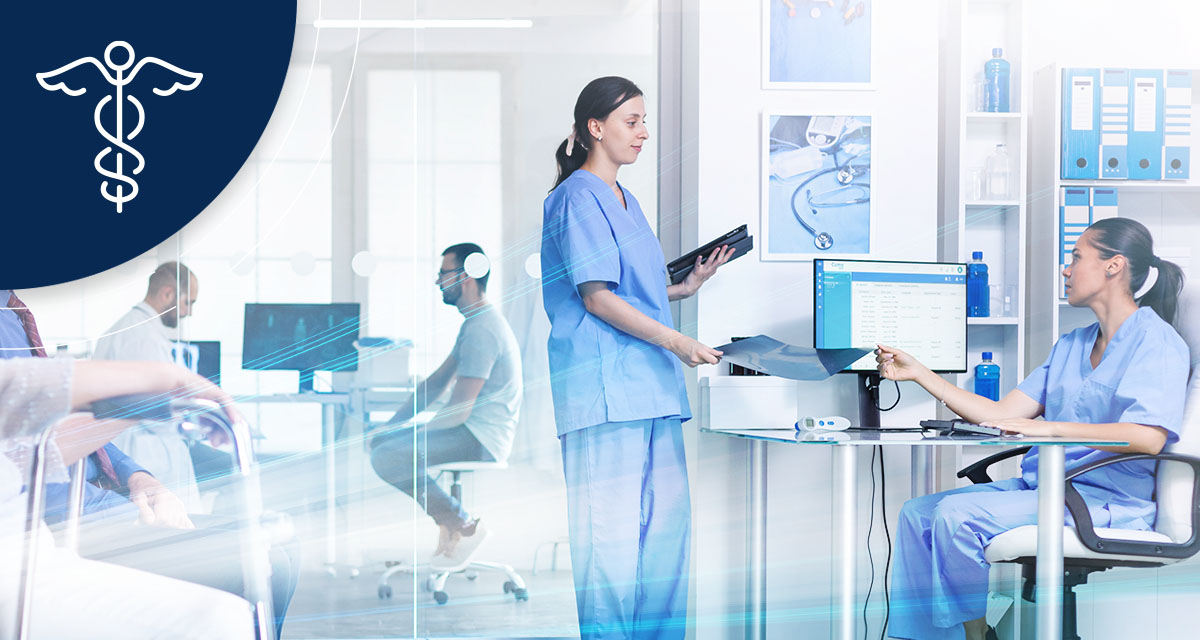
- Shared clinical workstations in ICUs, EDs, pharmacies, and ORs make credential sharing and unattended logins a persistent risk across shift changes.
- Zero Trust authentication verifies every user and device continuously, closing the gap traditional one-time login checks leave open after sign-in.
- Passwordless authentication removes the credential attackers and busy clinicians both struggle with, replacing it with a live biometric sign-in and persistent proximity.

The Growing Cybersecurity Threat in Healthcare:
- Nearly 60% of breaches involve a human element such as stolen credentials, error, or manipulation (Verizon 2025 Data Breach Investigations Report).
- The average cost of a data breach reached $4.99 million globally in 2026, up 12% year over year (IBM Cost of a Data Breach Report 2026).
Beyond financial losses, these breaches result in operational disruptions, HIPAA violations, and risks to patient safety. Healthcare leaders must take action.
Eliminating Passwords: A True Zero Trust Approach
Traditional authentication methods have failed healthcare organizations, leading to preventable breaches and workflow inefficiencies. Our Zero Trust Architecture flips the model, ensuring every access attempt is verified, secured, and continuously authenticated.
1. Passwordless, Frictionless Authentication
Passwords remain the weakest link in healthcare cybersecurity, often compromised through phishing, credential stuffing, or insider threats. Proximia's passwordless authentication eliminates passwords and replaces them with secure, persistent authentication methods:
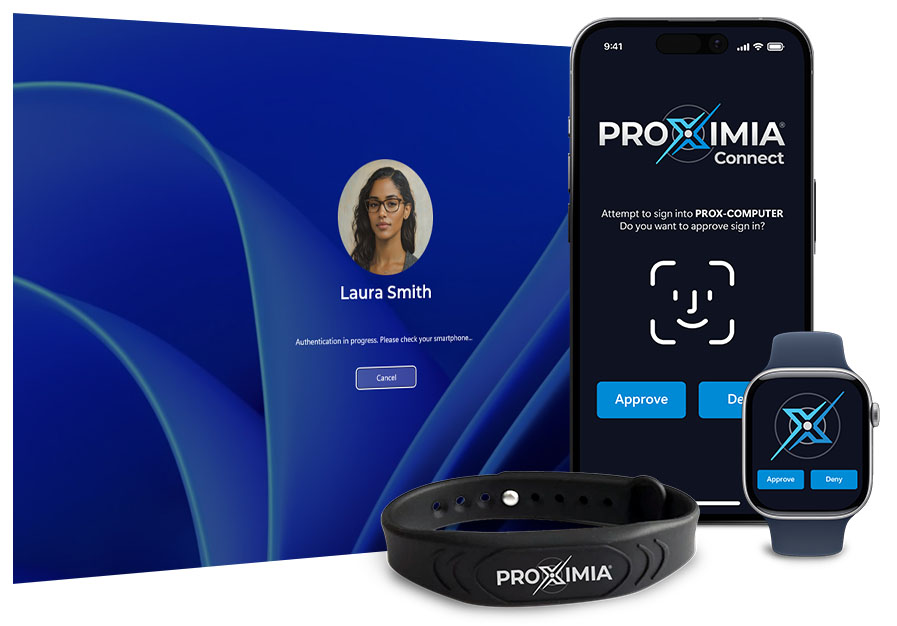
- Authenticate Once, Stay Secure: Users sign in with a live biometric -- facial recognition captured via phone or webcam -- at the start of the session.
- Persistent Proximity: The XiFi Card or phone confirms the user stays near their workstation for the length of the session, while mutual trust verifies the interaction is between an approved user and an approved device.
- Proximia's persistent, presence-aware authentication keeps users securely signed in without disruptive re-authentication, while locking the session automatically the moment the user steps away.
“Passwords are a decades-old security flaw that we can no longer afford in healthcare. Zero Trust models provide the seamless, secure access medical professionals need.” – David Finn, VP of AEHIS

2. Persistent Proximity & Adaptive Security
Healthcare environments are fast-paced, and frequent authentication requests disrupt clinical workflows. Proximia keeps sessions protected without repeated prompts.
- Persistent Proximity: The XiFi Card or phone confirms the user is still present at the workstation for the length of the session. If proximity is lost -- such as the user stepping out of range -- access locks instantly, protecting sensitive medical data without disrupting workflow.
- Mutual Trust Authentication verifies that only approved users and devices interact.
3. Securing Shared Workstations & Preventing Unauthorized Access
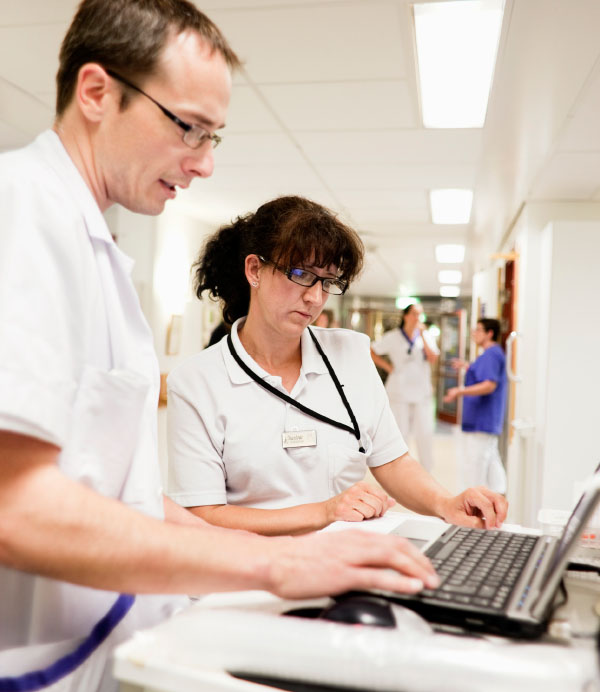
Shared workstations—such as nurse stations, rolling carts, and OR terminals—pose unique security challenges. Traditional authentication methods introduce inefficiencies, increase the likelihood of credential sharing, and expose systems to unauthorized access when users fail to log out. Proximia secures these endpoints without adding complexity.
- Effortless, Secure Access: Medical staff sign in with a live facial biometric and the XiFi Card or phone. Once verified, Proximia maintains secure, password-free access, reducing login delays while keeping the session protected for as long as it lasts.
- Automatic Proximity Locking: Workstations lock instantly when a user moves outside the administrator-configured proximity zone (typically five to thirty feet). If proximity is lost or an anomaly is detected, access is revoked immediately, preventing unauthorized entry and supporting compliance.
“Healthcare security shouldn’t be a roadblock—it should be invisible, seamless, and adaptive.” – Karen Haberkorn, CISO, Major Healthcare Network
Seamless Integration for Healthcare IT
Healthcare IT infrastructures are complex, blending cloud-based services and legacy applications. Proximia ensures secure, passwordless authentication across all platforms:
- Modern applications: Passwordless authentication via OAuth, OpenID Connect, and SAML for seamless, secure access.
- Legacy systems: Passwords are invisible to users, managed securely in the background.
- Single Sign-On (SSO): Unified authentication across Microsoft, Google, and HR systems.
- Centralized Access Management: Role-based control, real-time monitoring, and automated compliance.
Automated Compliance & Risk Mitigation
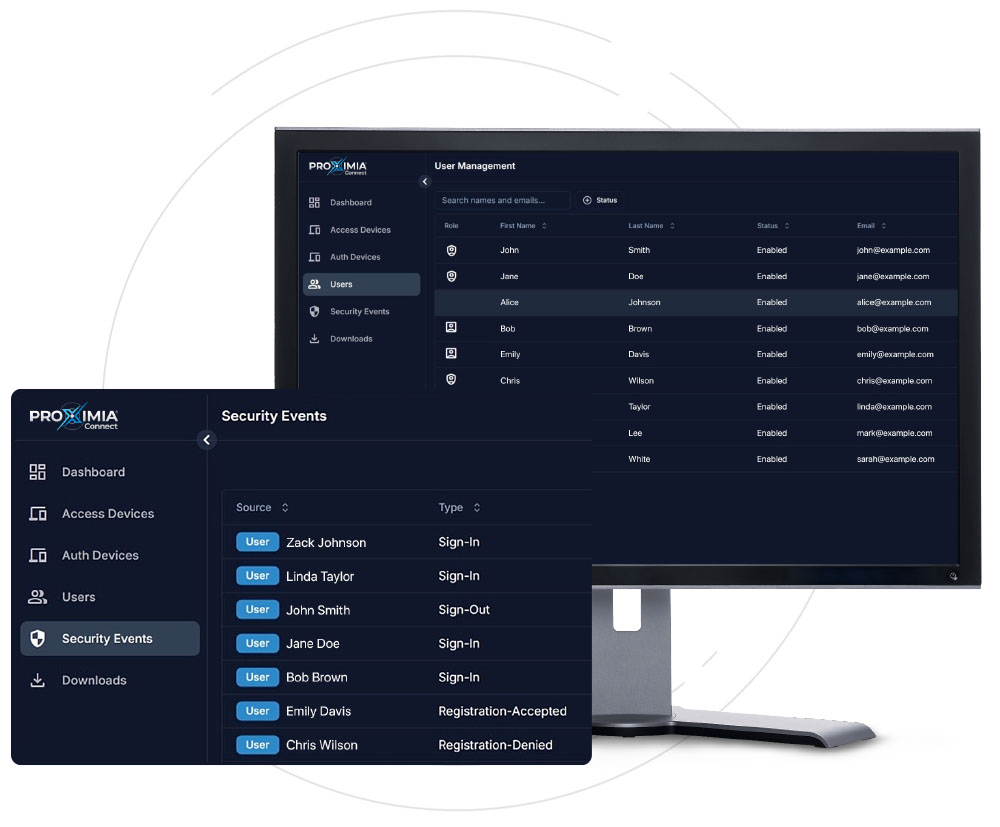
For security leaders, staying compliant with HIPAA, NIST, and other regulations is crucial. Proximia's admin console makes user and device management easy with role-based access, trusted device approvals, and real-time insights, giving IT teams full control.
- Audit Trail: Get a detailed log of security events to ensure accountability and compliance.
- Cross-Environment Visibility: Visualize user logins and access patterns across in-office and remote setups, ensuring secure network access.
- Role-Based Access: Assign and manage permissions for system and console access.
- Trusted Device Approvals: Admins approve and monitor devices for secure authentication and network access.
- Real-Time Visibility: Track users, device activity, software versions, and authentication events with a dynamic dashboard.
Proximia Is the Future of Healthcare Cybersecurity
The future of cybersecurity is passwordless, proactive, and frictionless, and for healthcare organizations, adopting a Zero Trust model is essential to maintaining continuous security without disrupting patient care. Security should never be a bottleneck—it's time to embrace Zero Trust, Passwordless Authentication, and Persistent Verification to protect sensitive data while ensuring seamless operations.
- True Zero Trust authentication for modern and legacy systems
- Persistent, presence-based authentication for shared workstations
- Seamless integration across cloud and legacy IT environments
- Immutable audit logging that supports compliance as threats evolve
Discover how Proximia is redefining authentication for healthcare. Contact us today to see how we can help your organization stay secure without complexity.