
TL;DR
Multi-Factor Authentication (MFA) adds multiple identity checks—such as biometrics, passkeys, or one-time codes—to verify that users are who they claim to be. Traditional MFA, while effective, faces new challenges like MFA fatigue and push bombing, where attackers trick users into approving fraudulent prompts. Adaptive authentication takes MFA further by analyzing context, behavior, and device signals to determine when verification is needed.
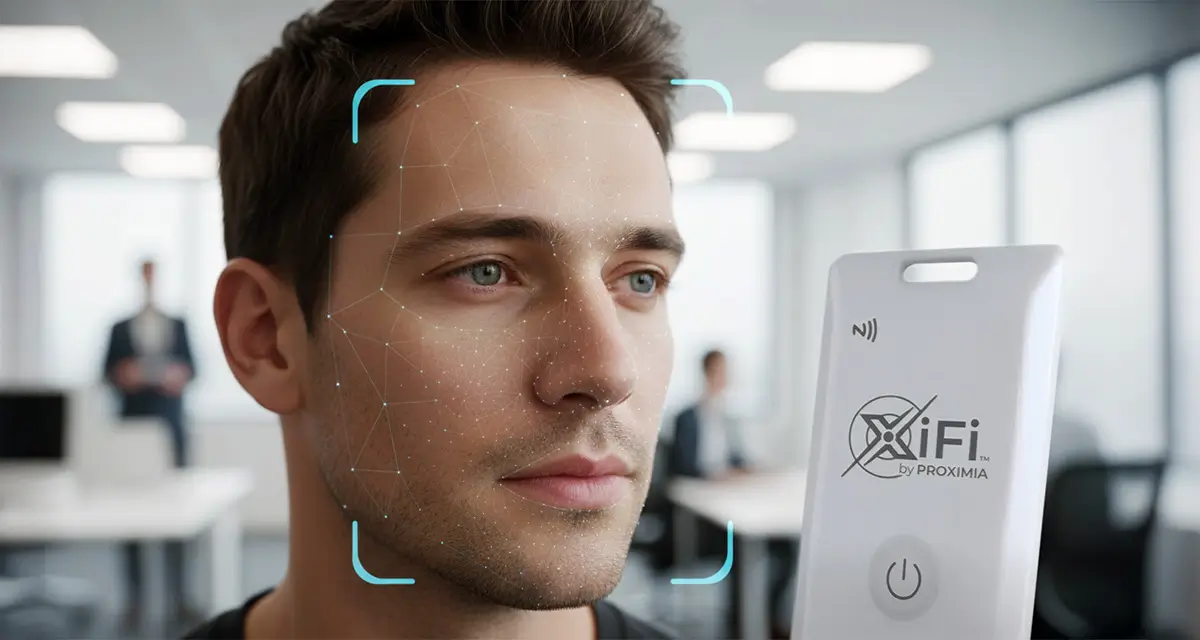
Leading platforms like Proximia enhance MFA by adding biometric identity verification and continuous, proximity-based authentication, creating a more phishing-resistant defense that adapts in real time.
In short: MFA remains a cornerstone of cybersecurity—but adaptive, phishing-resistant MFA is what will define secure access in 2025 and beyond.
What Is Multi-Factor Authentication (MFA)?
Multi-Factor Authentication (MFA) is a security method that requires users to provide two or more independent verification factors to access a system.
These factors fall into three categories:
- Something you know: a password or PIN.
- Something you have: a phone, token, or smart card.
- Something you are: a biometric identifier like a fingerprint or face scan.
By requiring more than one factor, MFA significantly reduces the likelihood of unauthorized access—even if one credential is compromised.
The Evolution of MFA: From Passwords to Adaptive Trust
Early MFA implementations used SMS-based codes or hardware tokens. These methods worked—but over time, attackers learned to exploit them. SIM swapping, phishing proxies, and session hijacking made static MFA less effective.
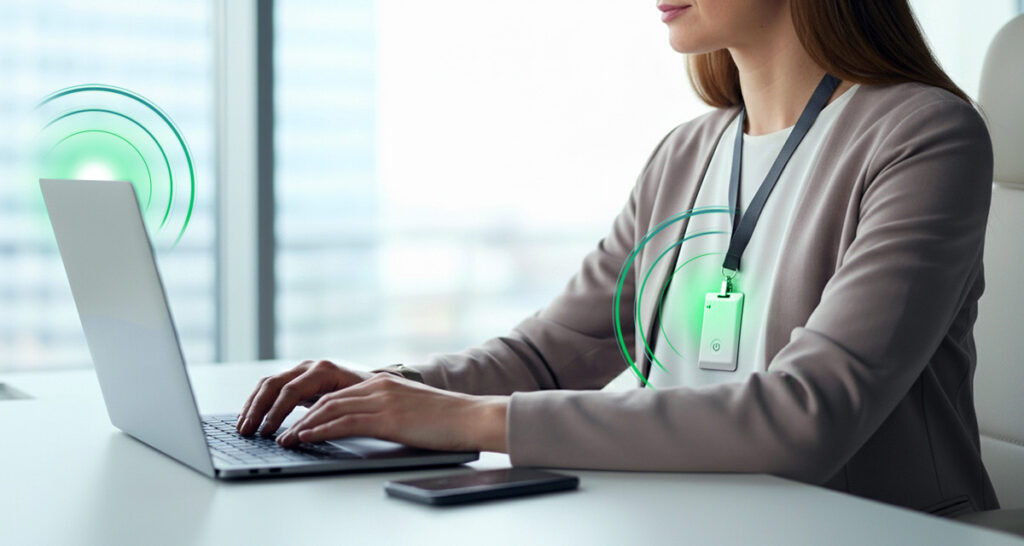
In 2025, MFA is evolving into adaptive authentication—a dynamic approach that considers user behavior, device health, location, and proximity.
This model uses AI and continuous monitoring to verify identity seamlessly and adjust authentication requirements based on risk.
Real Life Example: A hospital clinician logging in from their usual workstation may not be prompted again, but a login attempt from another country would trigger immediate re-verification.
Pros and Cons of MFA — Security Benefits and Gaps
The Benefits
- Reduces credential-based breaches: Even if a password is stolen, MFA prevents entry.
- Supports Zero Trust: Every session is verified continuously.
- Strengthens compliance: Meets NIST, HIPAA, and CJIS standards.
- Improves visibility: Logs all authentication events for audits.
Pros and Limitations of MFA: Where It Works and Where It Evolves
Where it Works
- Reduces credential-based risk: MFA adds an additional verification layer beyond passwords, significantly lowering the likelihood of unauthorized access when credentials are compromised.
- Supports Zero Trust principles: By requiring verification beyond a single factor, MFA reinforces the concept that access should not be assumed based on a successful login alone.
- Strengthens regulatory alignment: MFA is widely recognized in standards such as NIST SP 800-63B and is commonly required for HIPAA, CJIS, and other regulated environments.
- Improves audibility: Authentication events are logged and traceable, supporting security monitoring, incident response, and compliance reporting.
Where Traditional MFA Shows Its Limits
As MFA adoption has increased, so has the sophistication of attacks and user expectations. These limitations are not failures of MFA itself, but indicators of where the model is evolving.
- Phishing-resistant gaps: Legacy MFA methods that rely on one-time codes or push approvals can still be targeted by modern phishing and man-in-the-middle techniques. This has driven adoption of phishing-resistant MFA and passkey-based approaches.
- User experience friction: Repeated authentication prompts can interrupt workflows, particularly in high-frequency or shared-device environments. Adaptive and risk-based MFA reduces this by applying additional checks only when context changes.
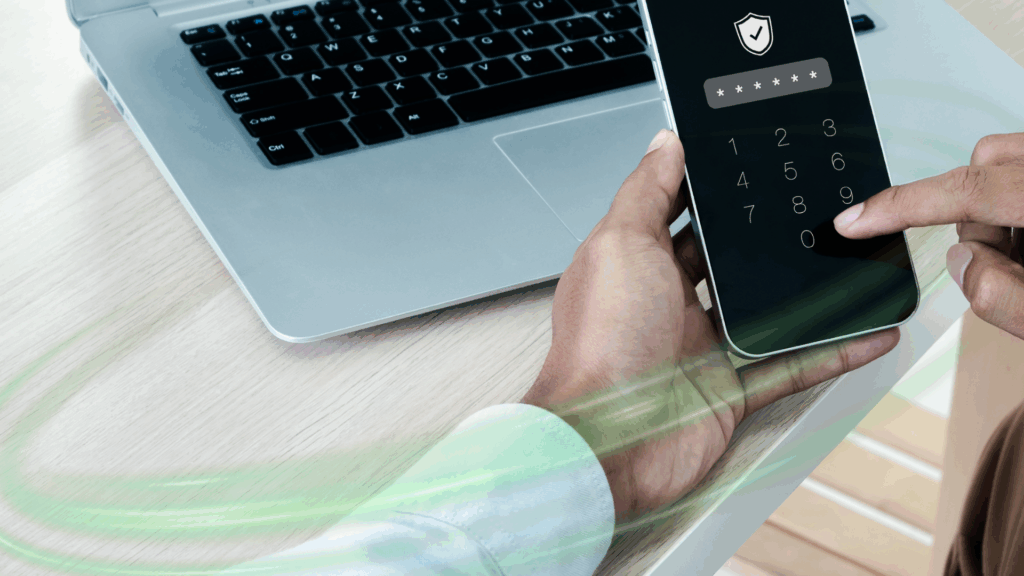
- Approval fatigue: Push-based MFA can create habituation over time. Context-aware authentication and presence-based verification reduce reliance on repeated manual approvals.
SMS-based MFA limitations: SMS delivery is vulnerable to interception and redirection, which is why security frameworks increasingly recommend app-based or hardware-backed factors instead.
Why MFA Is a Foundation, Not the End State
MFA remains a critical security control, but modern identity strategies are moving beyond static checkpoints toward adaptive, phishing-resistant, and continuous authentication models. These approaches preserve MFA’s benefits while addressing its operational and usability gaps, setting the stage for persistent trust rather than one-time verification.
Types of MFA
Traditional MFA
Static MFA challenges users every time they log in, regardless of context. This improves security but often frustrates users and drives resistance.
Adaptive MFA
Adaptive MFA intelligently balances security with usability. It evaluates factors like:
- Device reputation and health
- User behavior (typing patterns, mouse movement)
- Login context (location, time of day)
- Proximity of a trusted device or badge
If everything checks out, users log in frictionlessly. If risk spikes, additional authentication,like biometric confirmation, is triggered.
This is how Proximia’s presence-aware MFA operates: it maintains strong, silent verification in the background, adjusting only when trust signals change.
Types MFA Attacks on the Rise
Even MFA isn’t invincible. Attackers increasingly exploit human and technical weaknesses.
Push Bombing (MFA Fatigue)
Attackers flood users with approval notifications, hoping one is accepted accidentally.
Solution: Use adaptive or biometric MFA that eliminates repeated push prompts and validates presence physically.
Phishing Proxies
Adversaries use reverse-proxy websites to intercept credentials and MFA tokens in real time.
Solution: Implement phishing-resistant MFA via FIDO2 or hardware-based authenticators that never share secrets.
SMS & SIM Swapping
Attackers hijack phone numbers to intercept one-time passcodes.
Solution: Replace SMS MFA with TOTP apps or cryptographic credentials bound to specific devices.
TOTP Token Reuse
Time-based codes can still be phished if entered on spoofed pages.
Solution: Deploy secure, context-aware authentication methods like WebAuthn or proximity-based identity validation.

When MFA Is Enough — and When It’s Not
MFA dramatically reduces breach risk, but modern threats like session hijacking, MFA fatigue, and phishing proxies reveal its limitations.
MFA is enough when:
- Combined with secure SSO.
- Protected by device-bound authenticators.
- Supported by trained, vigilant users.
MFA is not enough when:
- Users can be socially engineered to approve requests.
- SMS or TOTP remain the primary factors.
- Sessions persist without re-verification of presence.
Adding biometric and continuous authentication—like Proximia’s platform—closes these gaps by tying access to verified, ongoing presence rather than one-time checks.
The Future of MFA: Continuous, Context-Aware, and AI-Driven

In 2026 and beyond, MFA will increasingly rely on AI-driven adaptive authentication that integrates risk analysis, behavior analytics, and presence detection.
Key trends include:
- Passwordless MFA: Combining biometrics + passkeys for stronger factors.
- Proximity-Aware Sessions: Validating that the right person remains active.
- Decentralized Identity: Reducing data exposure via cryptographic trust.
- AI Anomaly Detection: Identifying unusual access behavior in real time.
The end goal is seamless security—one that authenticates continuously, invisibly, and intelligently.
Proximia’s Approach to Phishing-Resistant MFA
Proximia redefines MFA by embedding continuous identity assurance directly into user sessions.
- Biometric Verification: Confirms the right individual at login.
- Proximity Detection: Uses wearables, badges, or mobile devices to verify ongoing presence.
- Session Persistence: Automatically locks when users leave range or lose proximity signals.
Unlike traditional MFA, which ends after login, Proximia keeps silently validating the user using live proximity technology—creating a frictionless, phishing-resistant MFA layer aligned with Zero Trust and FIDO2 principles.
Result: Fewer prompts. Fewer breaches. Stronger assurance.
Frequently Asked Questions
Final Thoughts
MFA remains one of the most effective security controls available, but it’s evolving fast.
Static, one-time verification is no longer enough to combat phishing, fatigue, or social engineering.
Adaptive, biometric, and presence-based MFA, like that offered by Proximia, goes beyond login protection to continuously verify identity throughout every session.
Ready to strengthen your authentication strategy?
Discover how Proximia delivers phishing-resistant MFA that adapts to your environment.
Cited Sources
- Verizon. 2023 Data Breach Investigations Report (DBIR).
https://www.verizon.com/business/resources/reports/dbir/ - CISA. Implementing Phishing-Resistant MFA – 2024 Guidance.
https://www.cisa.gov/resources-tools/resources/phishing-resistant-mfa-guidance - FIDO Alliance. FIDO2 and Phishing-Resistant Authentication Overview.
https://fidoalliance.org/fido2/ - Microsoft Security Blog. Defending Against MFA Fatigue and Push Bombing.
https://www.microsoft.com/security/blog/ - Google Cloud Security. Beyond Passwords – Evolving to Adaptive Authentication.
https://cloud.google.com/blog/products/identity-security - NIST. SP 800-63B Digital Identity Guidelines.
https://pages.nist.gov/800-63-3/sp800-63b.html