
Eric Paul

What Businesses Should Ask Their MSP About Identity and Access Management

Most MSPs still rely on static passwords and point-in-time MFA checks that protect the moment of login but leave the rest of the session unguarded. Businesses should ask their MSP direct questions about identity and access management to confirm their approach is truly modern: passwordless, Zero Trust, and persistent enough to keep verifying identity for

What Businesses Should Ask Their MSP About Identity and Access Management Read More »

Is Your MFA Enough

Is Your MFA Enough?

Multi-factor authentication raises the bar over passwords alone, but most MFA only checks identity once, at login, and leaves the rest of the session unguarded. Proximia closes that gap with a passwordless architecture that pairs a one-time biometric sign-in with continuous presence verification through the XiFi Card, keeping a session secure for as long as

Is Your MFA Enough? Read More »

Passwordless Security

True Passwordless: How Proximia Delivers True Zero Trust Authentication Across Modern and Legacy Systems

Proximia delivers what most “passwordless” vendors only claim: a single, presence-aware authentication layer that removes user-known passwords from every system in an environment, not just the ones built to support modern protocols. Modern applications get biometric sign-in outright; legacy systems that still require a password behind the scenes have that password system-managed so no user

True Passwordless: How Proximia Delivers True Zero Trust Authentication Across Modern and Legacy Systems Read More »

Authentication at the Heart of Zero Trust

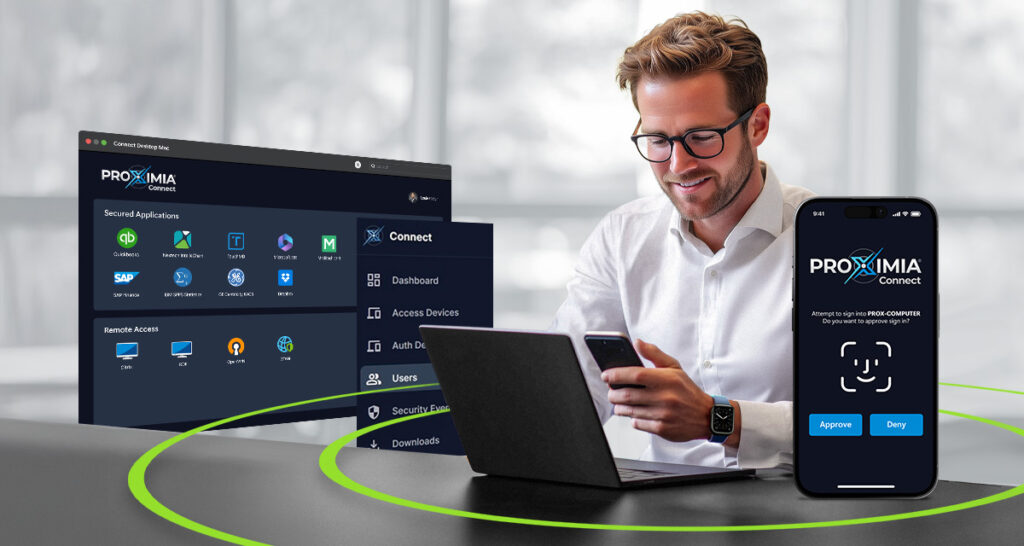
Proximia is a persistent, passwordless authentication platform built for Zero Trust environments, replacing one-time login checks with continuous verification through the XiFi Card. Instead of trusting a single sign-in event, Proximia confirms live biometrics, persistent proximity, and mutual trust between user and device for as long as a session lasts, closing identity gaps traditional authentication

Authentication at the Heart of Zero Trust Read More »

Next-Generation of Passwordless Authentication

Proximia is a persistent, presence-aware authentication platform built to close the gaps traditional usernames, passwords, and even MFA leave open. Instead of trusting a single login event, Proximia combines a one-time biometric sign-in with continuous presence verification through the XiFi Card and mutual trust between user and device, keeping a session secure for as long

Next-Generation of Passwordless Authentication Read More »

Staying Ahead of Cybercriminals: It’s Time For Security to Catch Up

Staying ahead of cybercriminals in 2026 means treating security as a layered, converged system rather than a stack of standalone tools, because attackers already operate that way. Threat actors now combine AI-driven tactics, ransomware-as-a-service, and detailed reconnaissance to move faster than most defenses can respond, and legacy single-checkpoint security cannot keep pace. Cybercrime has professionalized:

Staying Ahead of Cybercriminals: It’s Time For Security to Catch Up Read More »

The Hidden Costs of Password Mismanagement

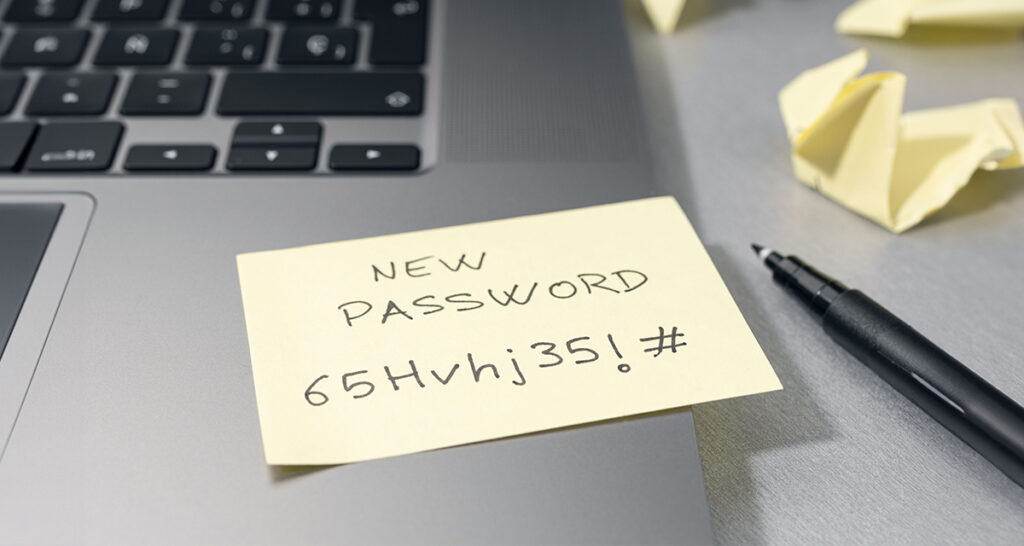
Password mismanagement is one of the biggest hidden costs facing small and medium-sized businesses today, driving breaches, help desk overhead, and downtime that traditional authentication can’t prevent. Proximia eliminates the problem at the source with a passwordless platform that replaces reused, phishable passwords with a one-time biometric sign-in and continuous presence verification through the XiFi

The Hidden Costs of Password Mismanagement Read More »

Proximia Leads the Future of Authentication

Proximia is a persistent, presence-aware authentication platform that replaces one-time logins and traditional MFA with continuous session protection tied to a user’s physical presence, not just a password or a single biometric scan. A live biometric check verifies identity once at sign-in, and the XiFi Card then keeps confirming the user is still there for

Proximia Leads the Future of Authentication Read More »

Scroll to Top