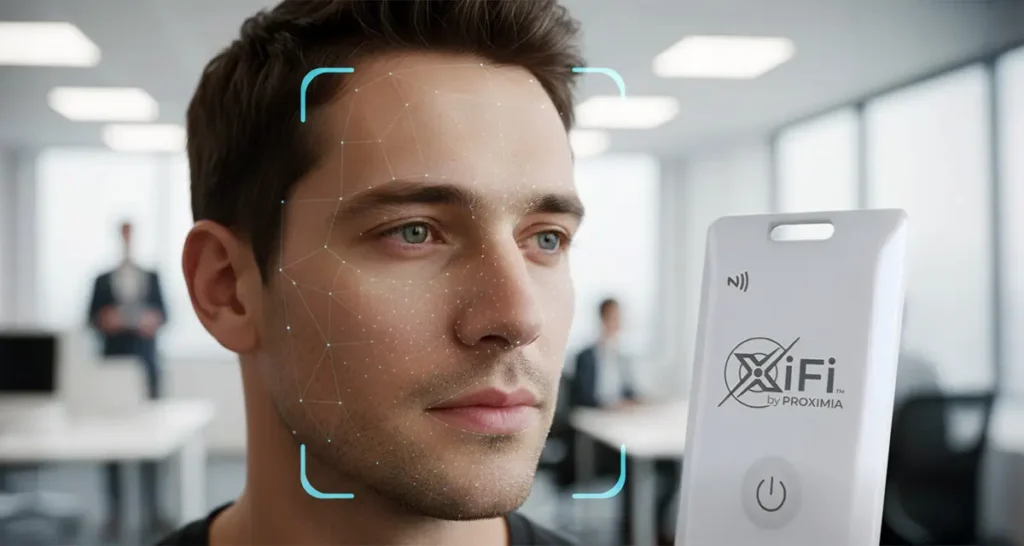

Lauren

Choosing the Right Authentication Platform for Your Organization

TL;DR A modern authentication platform does more than add a second factor at login. It manages identity, access, and trust across users, devices, and applications. The right platform balances strong authentication, RBAC-driven access control, seamless integrations, and continuous verification. Organizations evaluating SSO alternatives or modern IAM solutions should prioritize platforms that support passwordless methods, flexible […]

Choosing the Right Authentication Platform for Your Organization Read More »
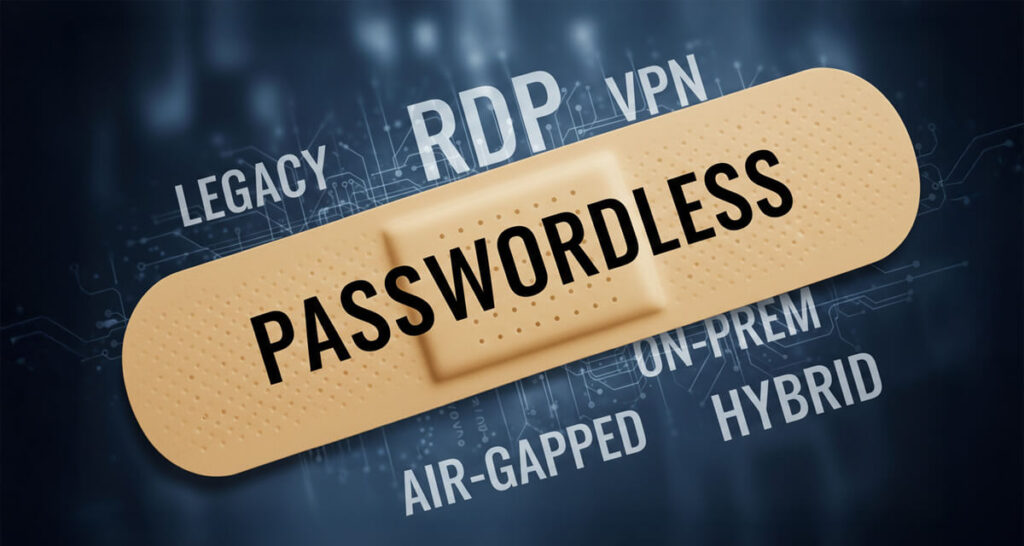
Passwordless security concept with keywords

Passwordless Isn’t Fully Here: Why Hybrid Environments Need Continuous Protection

Passwordless is often promoted as the future of authentication. Biometrics, platform authenticators, and modern web standards all promise a world where passwords disappear entirely. But in practice, that world isn’t here yet. Most organizations operate in hybrid environments that include cloud apps, legacy systems, thick-client software, VPNs, RDP sessions, on-prem platforms, and even IoT devices.

Passwordless Isn’t Fully Here: Why Hybrid Environments Need Continuous Protection Read More »

Office workers using computers in a SMB business with persistent access protection

Modern Cybersecurity for Enterprise: People, Process, and Technology

TL;DR Modern cybersecurity is no longer defined by firewalls and perimeter defenses. It is built around securing people, validating access continuously, and reducing breach risk across distributed workforces. By combining Zero Trust principles, workforce-focused security strategies, and adaptive technology stacks, enterprises can prevent breaches, meet regulatory requirements like HIPAA and NIST, and stay resilient against

Modern Cybersecurity for Enterprise: People, Process, and Technology Read More »

Woman using multi-factor authentication tools.

The Hidden Costs Traditional Authentication Tools Don’t Solve.

Most authentication platforms today talk about lowering Total Cost of Ownership (TCO). They emphasize cloud delivery, reduced hardware expenses, and subscription-based pricing. And while these benefits matter, they address only a small part of the real cost equation. The largest cost in authentication isn’t infrastructure – it’s human friction. Traditional MFA and passwordless tools still

The Hidden Costs Traditional Authentication Tools Don’t Solve. Read More »

User interacting with passwordless authentication technology.

Too Many Authenticators, Too Many Tickets: The Operational Burden of Traditional Passwordless

Every time authentication gets stronger, it tends to get more complicated. Most MFA and passwordless tools still rely on multiple authenticators: phone apps, biometrics tied to personal devices, security keys, backup codes, and passwords as fallbacks. Each workflow or application may require its own setup. Each new device requires re-enrollment. Each lost or broken authenticator

Too Many Authenticators, Too Many Tickets: The Operational Burden of Traditional Passwordless Read More »

Biometric scan with XiFi card device.

Multi-Factor Authentication: 2026 Guide to Stronger Security

TL;DR Multi-Factor Authentication (MFA) adds multiple identity checks—such as biometrics, passkeys, or one-time codes—to verify that users are who they claim to be. Traditional MFA, while effective, faces new challenges like MFA fatigue and push bombing, where attackers trick users into approving fraudulent prompts. Adaptive authentication takes MFA further by analyzing context, behavior, and device

Multi-Factor Authentication: 2026 Guide to Stronger Security Read More »

Person using biometric authentication at computer.

Passwordless Authentication: What It Is, Why It Matters, and How to Implement It

TL;DR Passwordless authentication replaces passwords by implementing FIDO2 standards through passkeys and biometrics to deliver secure, frictionless login without shared secrets. By combining passwordless login with continuous presence-based authentication, organizations can maintain ongoing trust, verifying not just who logged in, but who stays authenticated.This approach reduces breach risk,ensures regulatory alignment (NIST 800-63B, GDPR, HIPAA), and

Passwordless Authentication: What It Is, Why It Matters, and How to Implement It Read More »

Scroll to Top